
Ketamine Assisted Psychotherapy
Why Ketamine Assisted Psychotherapy (KAP)
Improve outcomes in treatment-resistant depression, chronic suicidality, and PTSD
Emerging research shows benefits for social anxiety, OCD, and for patient's who have plateaued on other therapies
Assists in change, learning, and growth
Mechanism of Action
Ketamine works differently from traditional antidepressants. Ketamine acts primarily on the glutamate system as an NMDA receptor antagonist. This blockade triggers a surge in glutamate release, which in turn activates AMPA receptors. The resulting signaling cascade upregulates brain-derived neurotrophic factor (BDNF) and activates the mTOR pathway, rapidly promoting synaptogenesis and dendritic spine growth leading to enhanced neuroplasticity. In short, ketamine assists change, learning, and growth in the brain.
Some of the effects of ketamine take place immediately, underlying the rapid relief some patients report from depressive and suicidal symptoms. Other effects emerge over time as treatment continues. Other mechanisms of ketamine, such as anti-inflammatory and opioid modulating effects, appear to contribute to efficacy but remain under investigation.
Indications
KAP has robust evidence for its effectiveness in treating treatment-resistant depression, chronic suicidality, and PTSD. There is also strong emerging data on KAP for severe social anxiety as well as promising studies underway for OCD. KAP may also benefit individuals who have reached a plateau in traditional talk therapy and need additional support to move forward.
Contraindications
KAP is not appropriate for everyone. Contraindications include uncontrolled hypertension, active psychosis or history of psychotic disorders, active substance use disorder (particularly with dissociatives or stimulants), pregnancy, and certain cardiac conditions. Every patient who comes to our practice for KAP undergoes a 60 minute intake and is thoroughly screened for appropriateness. We combine this with a urine drug analysis prior to the first injection to ensure safety.

Practical Considerations
Number of Treatments: A ketamine induction consists of 6 sessions, optimally conducted twice a week for 3 weeks. The need for maintenance therapy is assessed on a case-by-case basis and can range from weekly to intervals spanning many months between doses. The 60-minute evaluation is separate from an injection session, and its price is included in the price of the first session.
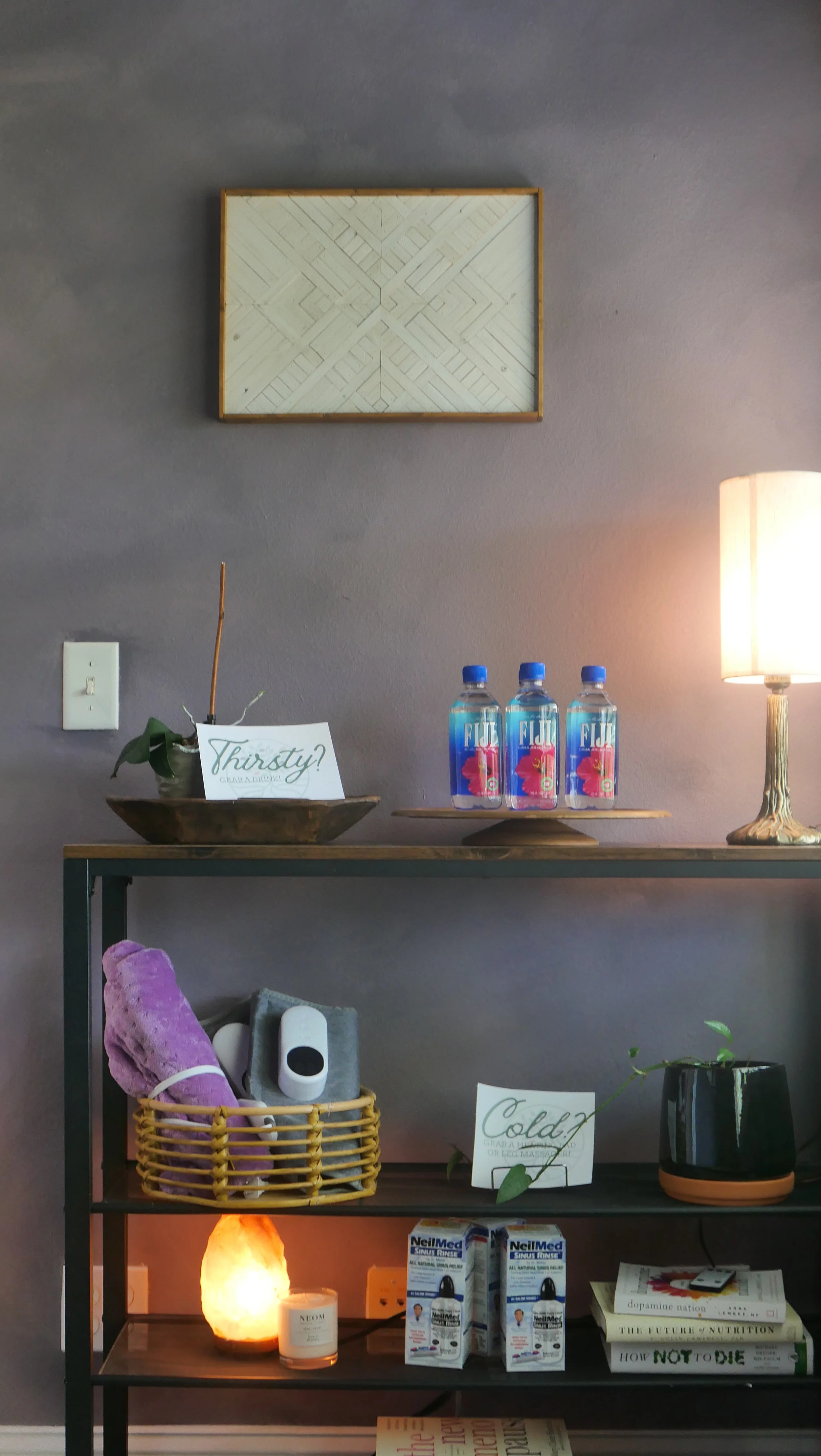
What to expect: Each 90-minute session takes place in a comfortable private room and the patient is monitored one-to-one throughout the session. This is not a therapy session. The patient is encouraged to wear an eye mask and listen to music through provided headphones.
Side effects: Transient increase in blood pressure and heart rate, dizziness, nausea (pre-treatment with Zofran is available), dissociation, and anxiety are all commonly reported side effects.
Requirements: Each patient is expected to engage in therapy while undergoing KAP, optimally having one session weekly during the induction period. Patients are also required to have a ride home from the sessions. Alternatively, we can order a complimentary Uber within a certain mileage limit. RootMD only accepts adult patients for this treatment.
QUESTIONS?
READY TO GET STARTED?
Give us a call for soonest available dates 321-723-7353